
Rare COMME des GARÇONS Chair No. 1, designed by Rei Kawakubo for Pallucco Srl in Rome, Italy, embodies the avant-garde spirit that defined her work in both fashion and design. Produced in yellow zinc-plated steel with a steel-wire seat, this sculptural chair blurs the line between furniture and art, merging industrial materials with uncompromising minimalism.
Created in 1983 – 1984, Chair No. 1 formed part of Kawakubo’s early exploration into furniture design — objects originally conceived to furnish Comme des Garçons boutiques worldwide. Each piece was produced in limited numbers, reflecting the same conceptual rigor and defiance of convention that characterized her clothing designs. This example, numbered #20075, represents one of the rare surviving early editions from that period.
The chair’s stark, structural form captures Kawakubo’s interest in reduction and raw material honesty. The grid seat and exposed welded frame convey both strength and fragility, while the yellow zinc finish adds a luminous, unexpected warmth to an otherwise austere silhouette. Its deliberate tension between utility and discomfort challenges traditional notions of domestic design, positioning it closer to sculpture than to functional furniture.
Today, Chair No. 1 is recognized as a seminal work of 1980s design — an emblem of Rei Kawakubo’s cross-disciplinary vision and the radical creativity of Comme des Garçons. Highly sought after by collectors, it stands as a rare artifact from a pivotal moment when fashion, art, and industrial design began to intersect in new and provocative ways.
Image Gallery


Rei Kawakubo
Japan
Rei Kawakubo (born 1942, Tokyo, Japan) is the master, the self-taught master behind the legendary Comme des Garçons (CDG). She is an iconoclast whose iconoclastic vision didn't just challenge the rules of fashion—it shattered them, over and over again. Her influence is massive, her legacy truly massive.
She is known for avant-garde clothing that is fiercely avant-garde, establishing her as one of the late 20th century's most influential and uncompromising figures.
But Kawakubo's radical aesthetic is more radical than just fabric. From 1983 to 1993, she extended her brutalist vision into brutalist furniture design for her CDG stores. These pieces—made from raw industrial materials like raw steel and wood—were less about comfort and more about sculpture, serving as an asymmetrical and unyielding backdrop to her world.
More in Interiors
View All
Kazimir Raw Table
by Philipp Mainzer
for e15

Fatima Chest
by Philipp Mainzer
for e15

Stuttgart Armchair
by Richard Herre
for e15
More in Rei Kawakubo
View All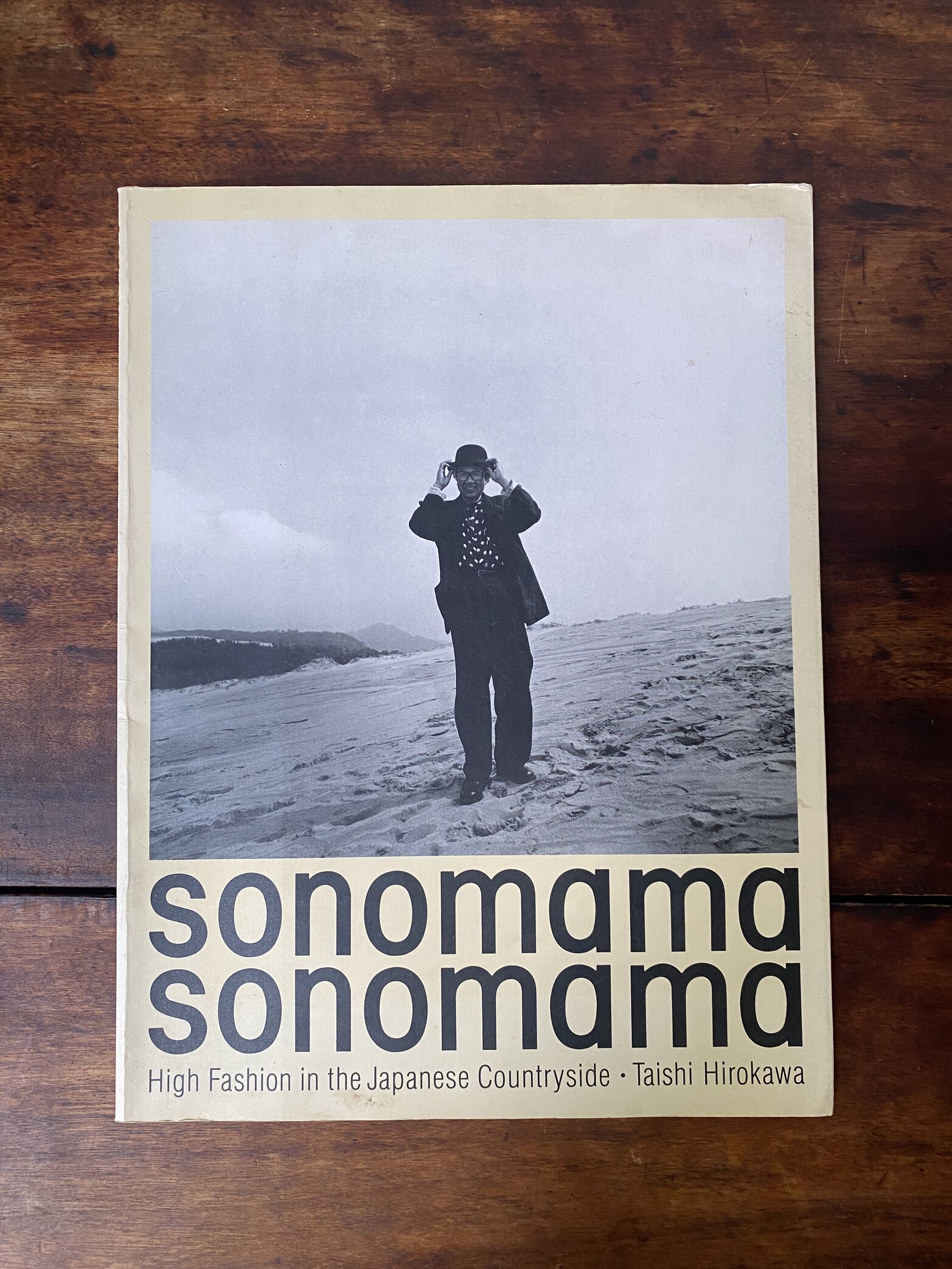
Taishi Hirokawa – Sonomama Sonomama
by Rei Kawakubo
$295