
Designed in 1955 by Charlotte Perriand, the Tabouret Méribel is constructed from solid oak with a natural finish. Its three legs are splayed and joined to a thick, circular seat with exposed mortise-and-tenon joinery. Edges are rounded and surfaces lightly contoured, retaining the legibility of the timber’s grain. The triangular footprint provides stability on uneven floors, while the compact diameter allows it to be positioned close to seating or tables.
Image Gallery


Charlotte Perriand
France
Charlotte Perriand believed that good design began not with form, but with life. Born in Paris in 1903, she came of age during the rise of modernism but never accepted its austerity at face value. After studying at the École de l’Union Centrale des Arts Décoratifs, she caught Le Corbusier’s attention with her Bar sous le Toit installation—an aluminum and glass interior that announced a new language for domestic space.
Perriand spent her career expanding that language, insisting that interiors could be democratic without losing their sensuality. Her collaborations with Le Corbusier and Pierre Jeanneret shaped the furniture of the machine age, yet her later work—wooden chaises, woven stools, modular shelving—revealed an intimacy modernism often forgot.
From the mountains of Savoie to postwar Japan, she treated design as both a social and material experiment. Wood, metal, bamboo—each was used for its honesty, its human touch. Today, Perriand’s work feels less like a relic of modernism than a quiet blueprint for how to live well: rigorous, humane, and always unfinished in the best sense.
More in Interiors
View All
Tore Table
by David Thulstrup
for e15
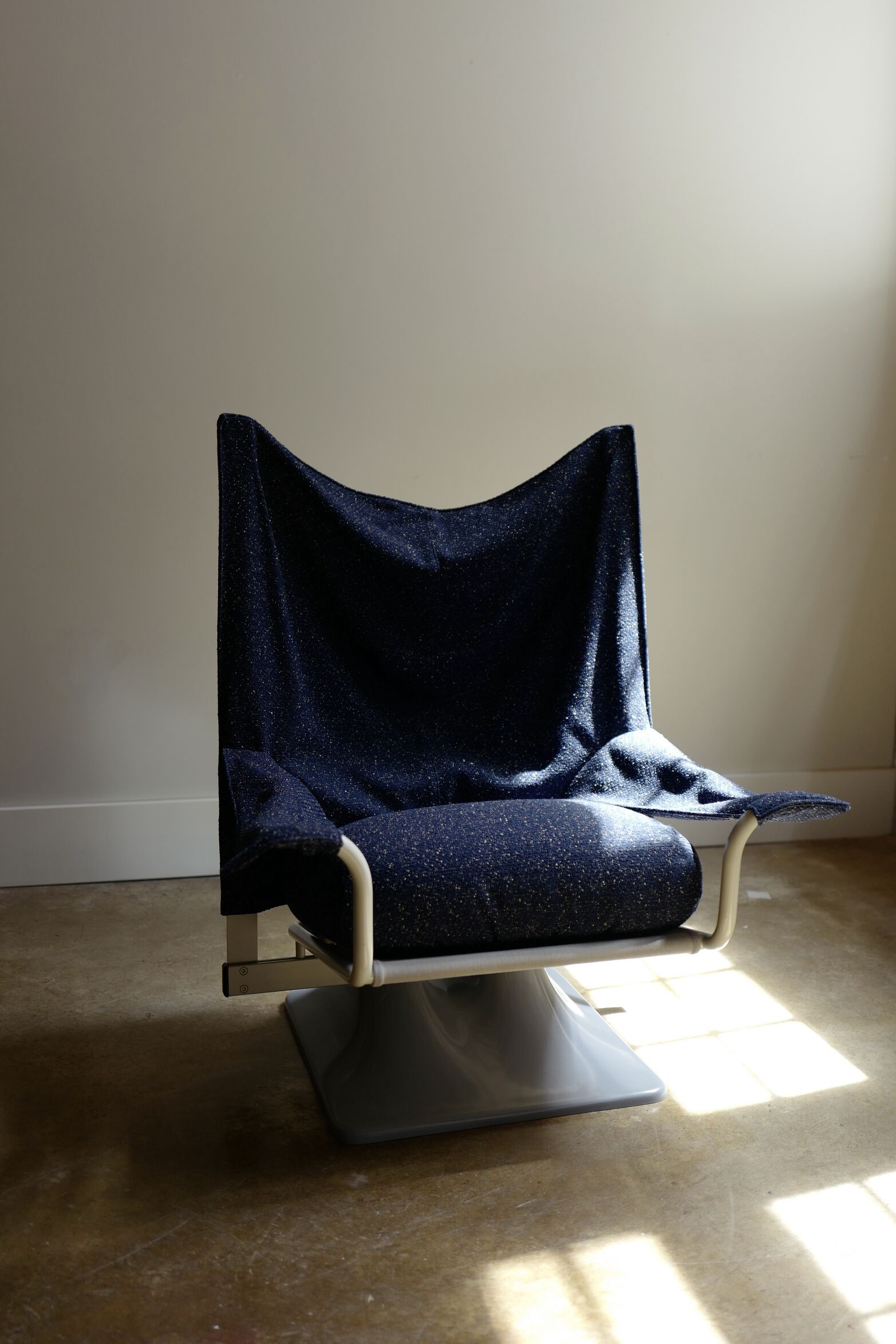
AEO Lounge Chair
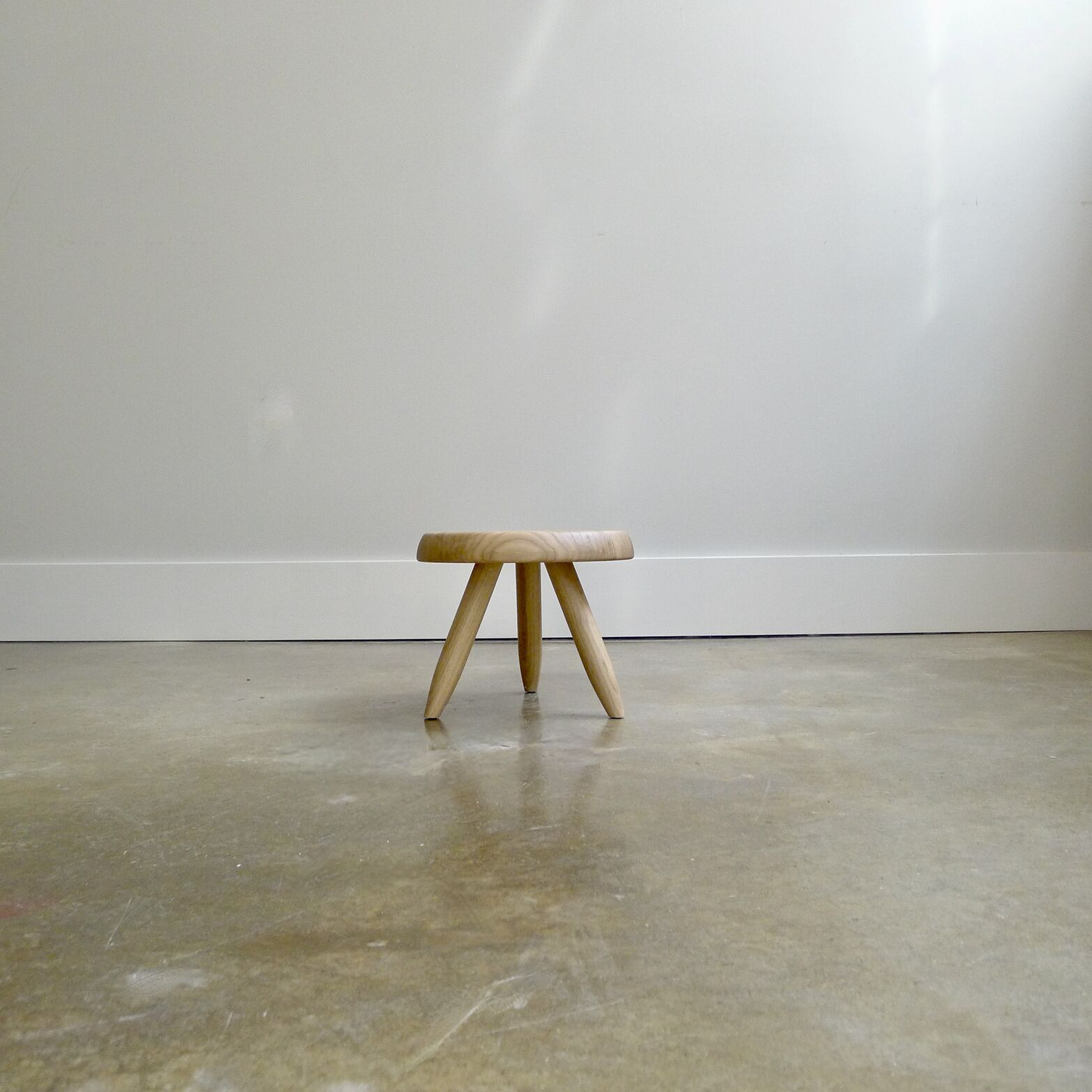
Tabouret Berger Stool
$759
More in Charlotte Perriand
View All
Charlotte Perriand Nuage Bookcase; Louis Vuitton Edition

Appliqué Cylindrique Petit
$677
Tabouret Berger Stool
$759