
Published by Galerie Jousse Seguin and Galerie Enrico Navarra, this 1998 monograph is a definitive record of Jean Prouvé’s technical and architectural output. The volume rejects a partitioned view of his career, instead presenting his furniture, industrial components, and buildings as a singular, unified practice. This cohesion is explored through essays by his family and collaborators, who detail a methodology where the logic of construction dictates the final form.
The book is extensively illustrated with archival photographs and technical drawings that document his process, from the manipulation of sheet metal to the assembly of prefabricated structures. By focusing on the structural integrity and material economy of his designs, the text provides a rigorous examination of how Prouvé’s work influenced the trajectory of modern industrial production. It remains an essential reference for understanding the functionalist principles that underpinned his diverse body of work.
Image Gallery


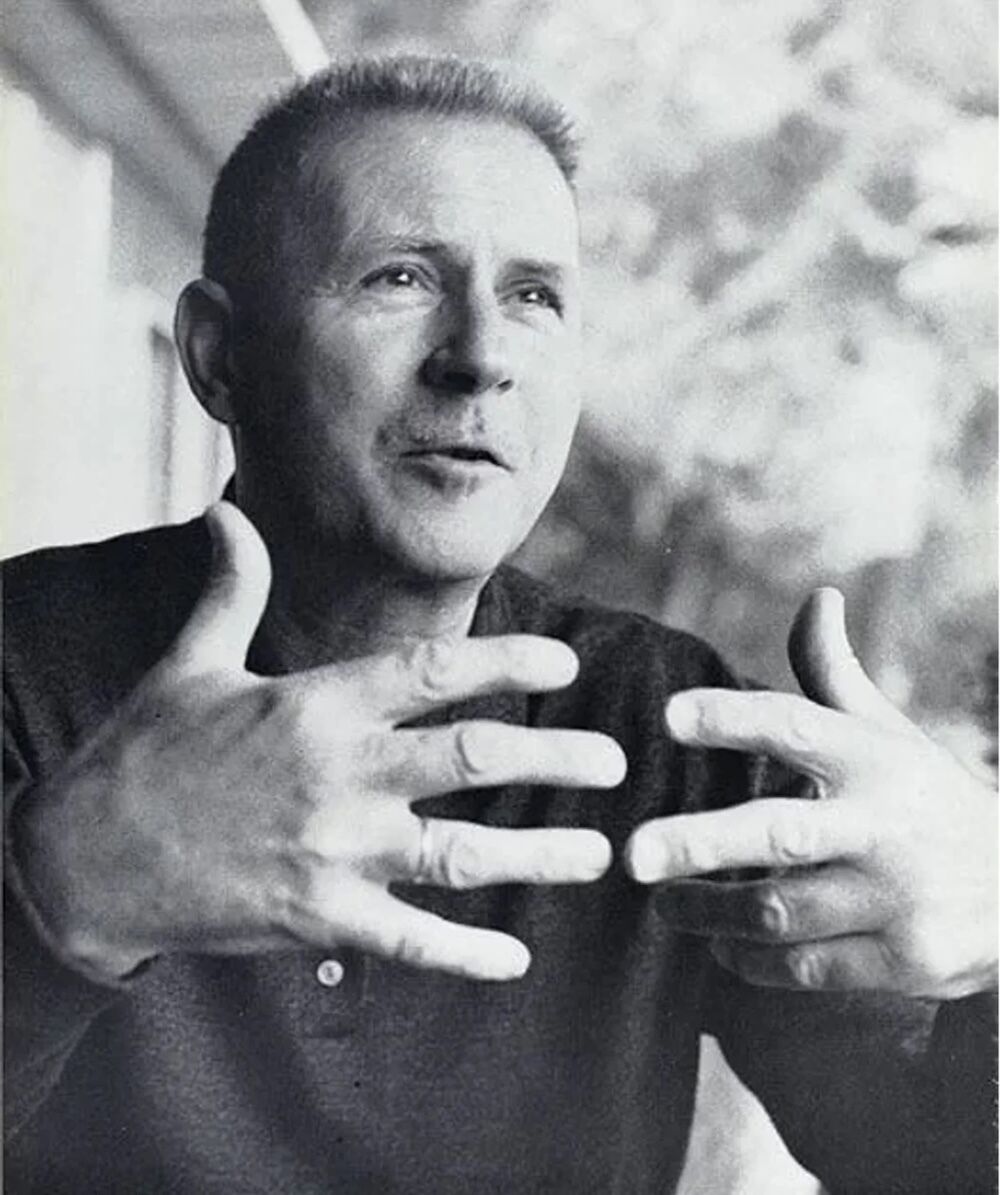
Jean Prouvé
France
Jean Prouvé built as if every object were a building, and every building an object. Born in Nancy in 1901 to an artist father and pianist mother, he trained first as a metalworker before turning his attention to architecture. That early discipline never left him. Whether designing a chair, a door, or an entire façade, Prouvé approached each as a problem of structure—how to make strength look light, how to let material speak for itself.
His Standard Chair of 1934 is perhaps the purest example: steel legs carrying the weight, wooden seat and back doing the rest. The logic is visible, almost pedagogical. The same thinking drove his prefabricated houses of the 1940s and ’50s—modular, portable, and decades ahead of their time.
For Prouvé, form was simply the consequence of engineering done right. His furniture and architecture still hold that tension between utility and grace: objects not designed to impress, but to endure. To handle one of his pieces is to feel both the weight of industry and the lightness of invention—modernism, not as theory, but as practice.
More in Books
View All
Donald Judd – Colorist
by Donald Judd
$45

Anni Albers
$45
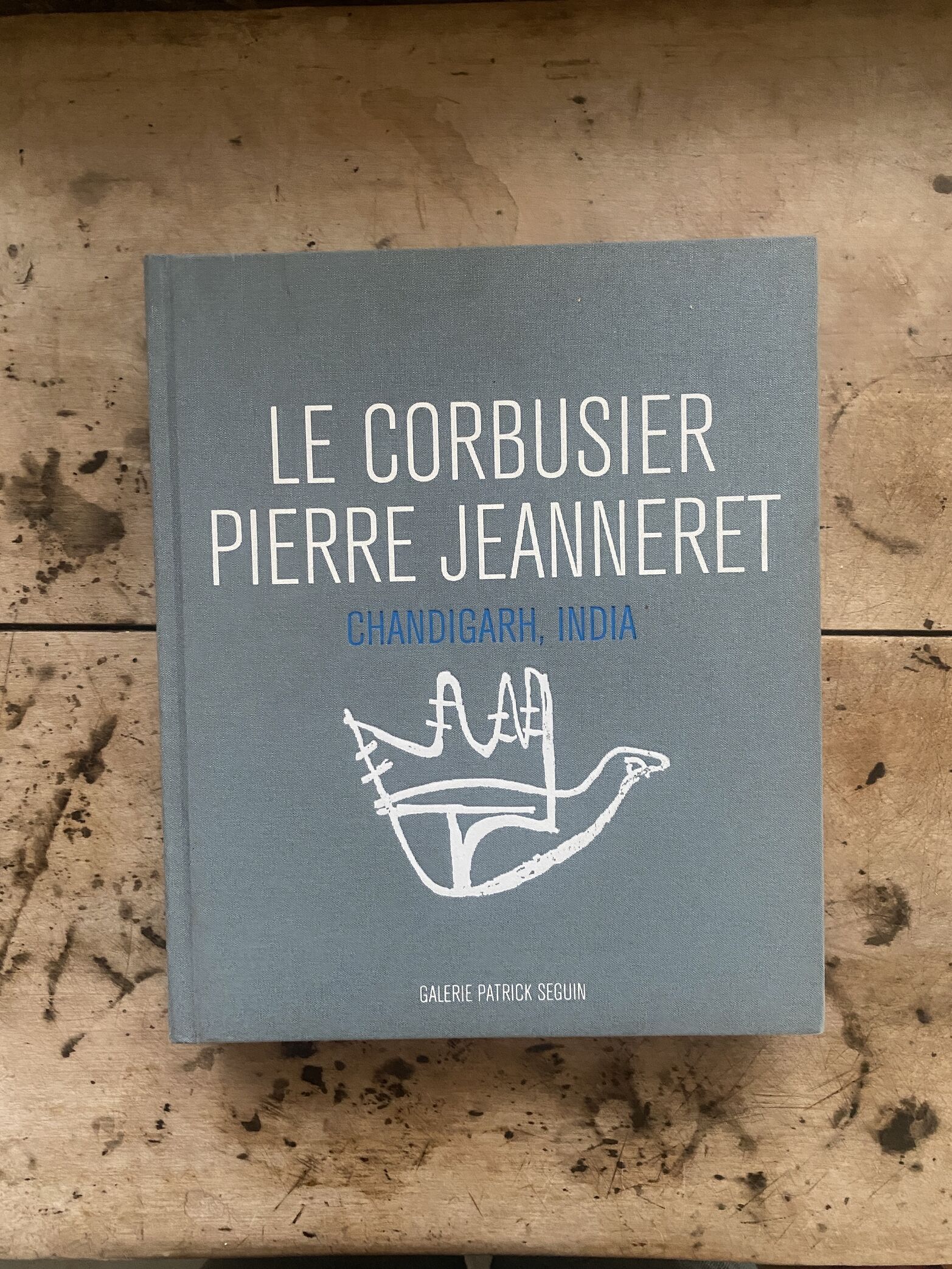
Le Corbusier and Pierre Jeanneret —Chandigarh, India
$185
More in Jean Prouvé
View All
Charlotte Perriand Low Coffee Table
by Charlotte Perriand , Jean Prouvé
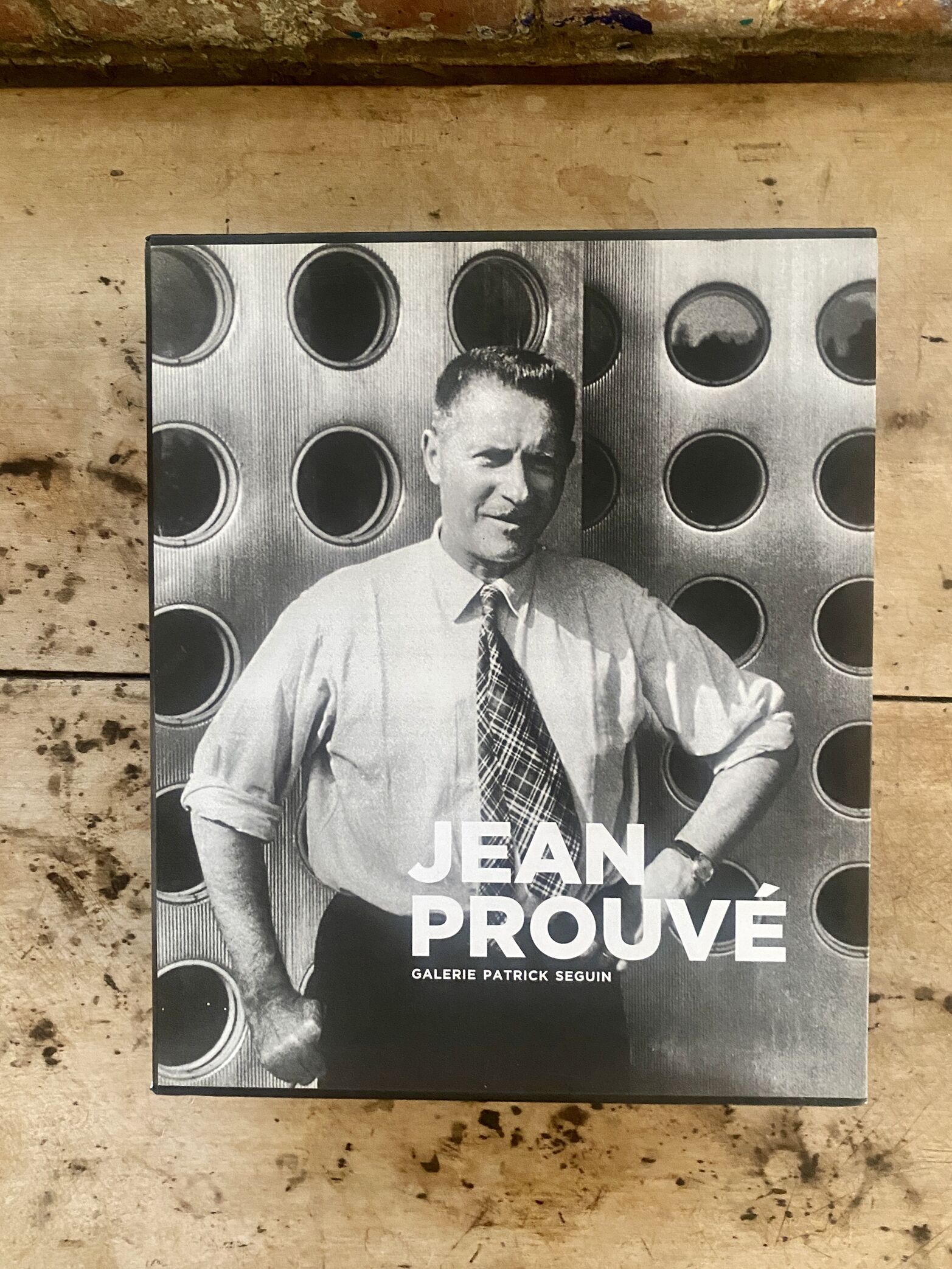
Jean Prouvé Monograph Box Set
by Jean Prouvé
$275
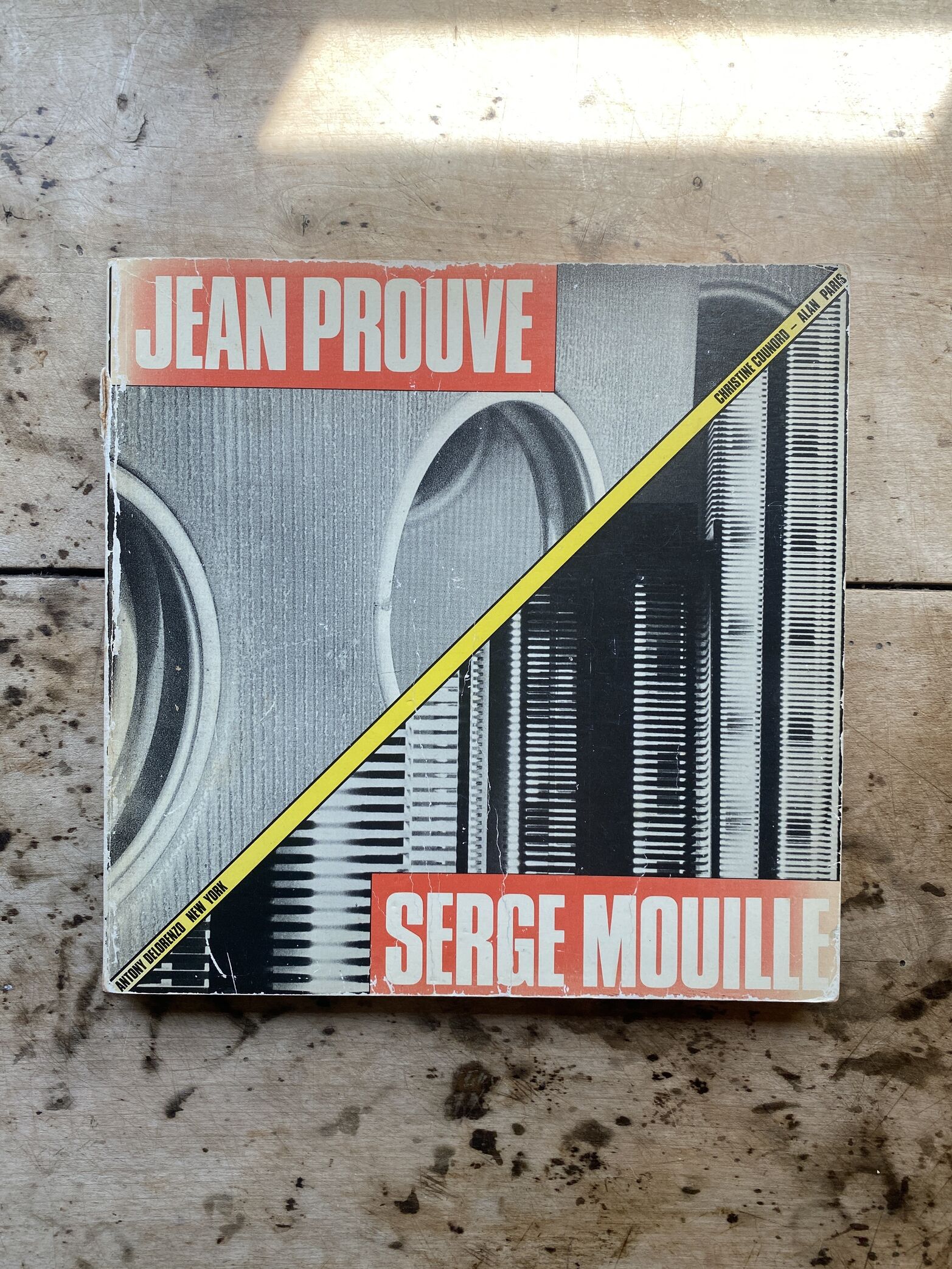
Jean Prouvé / Serge Mouille
by Jean Prouvé
$300