
A rare and sought-after catalogue documenting a landmark exhibition of Jean Prouvé’s work at the Musée des Arts Décoratifs de Bordeaux in 1989. Published by Abaque and organized by François Laffanour (Galerie Downtown) and Éric Touchaleaume (Galerie 54), Meubles 1924 – 1953 captures nearly three decades of groundbreaking design by one of the most influential figures in 20th-century furniture and architecture.
Richly illustrated with color and black-and-white images, this compact volume offers a visual overview of Prouvé’s innovative approach to material, structure, and form. A scarce and valuable reference for collectors, scholars, and admirers of modernist design.
Image Gallery
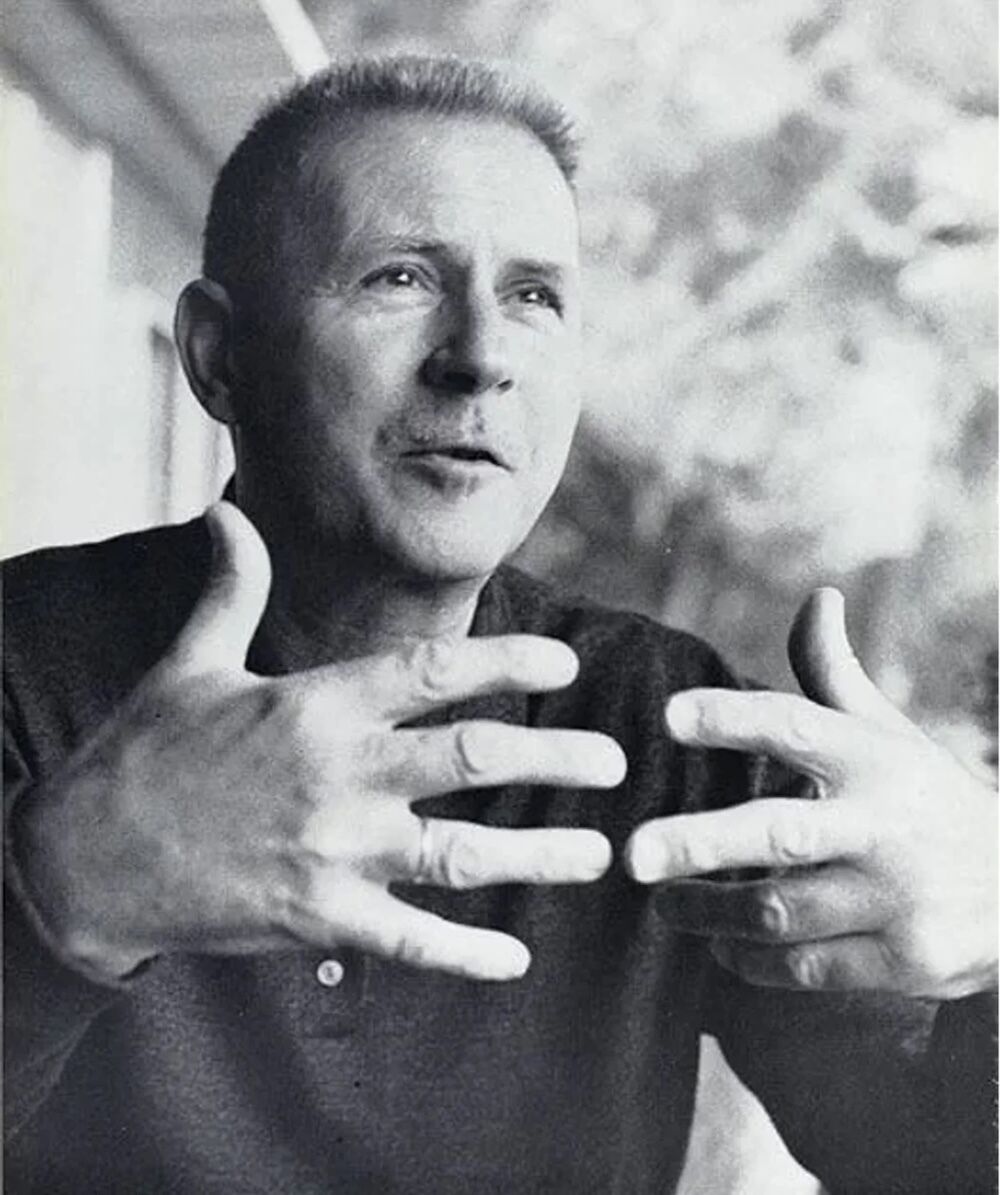
Jean Prouvé
France
Jean Prouvé built as if every object were a building, and every building an object. Born in Nancy in 1901 to an artist father and pianist mother, he trained first as a metalworker before turning his attention to architecture. That early discipline never left him. Whether designing a chair, a door, or an entire façade, Prouvé approached each as a problem of structure—how to make strength look light, how to let material speak for itself.
His Standard Chair of 1934 is perhaps the purest example: steel legs carrying the weight, wooden seat and back doing the rest. The logic is visible, almost pedagogical. The same thinking drove his prefabricated houses of the 1940s and ’50s—modular, portable, and decades ahead of their time.
For Prouvé, form was simply the consequence of engineering done right. His furniture and architecture still hold that tension between utility and grace: objects not designed to impress, but to endure. To handle one of his pieces is to feel both the weight of industry and the lightness of invention—modernism, not as theory, but as practice.
More in Books
View All
Donald Judd – Colorist
by Donald Judd
$50

Tom Kundig — Working Title
$45
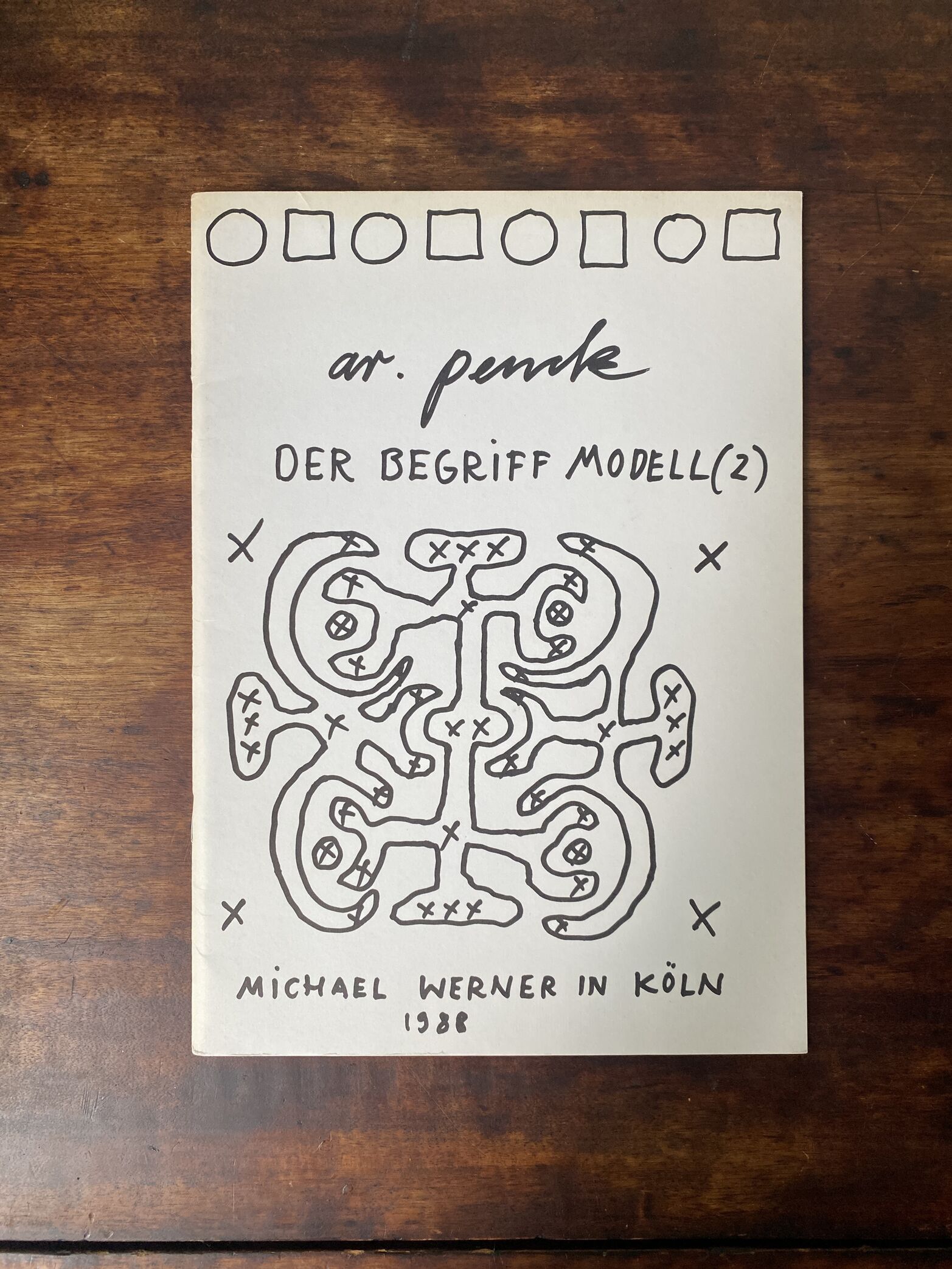
A.R. Penck – Der Begriff Modell (2)
$95
More in Jean Prouvé
View All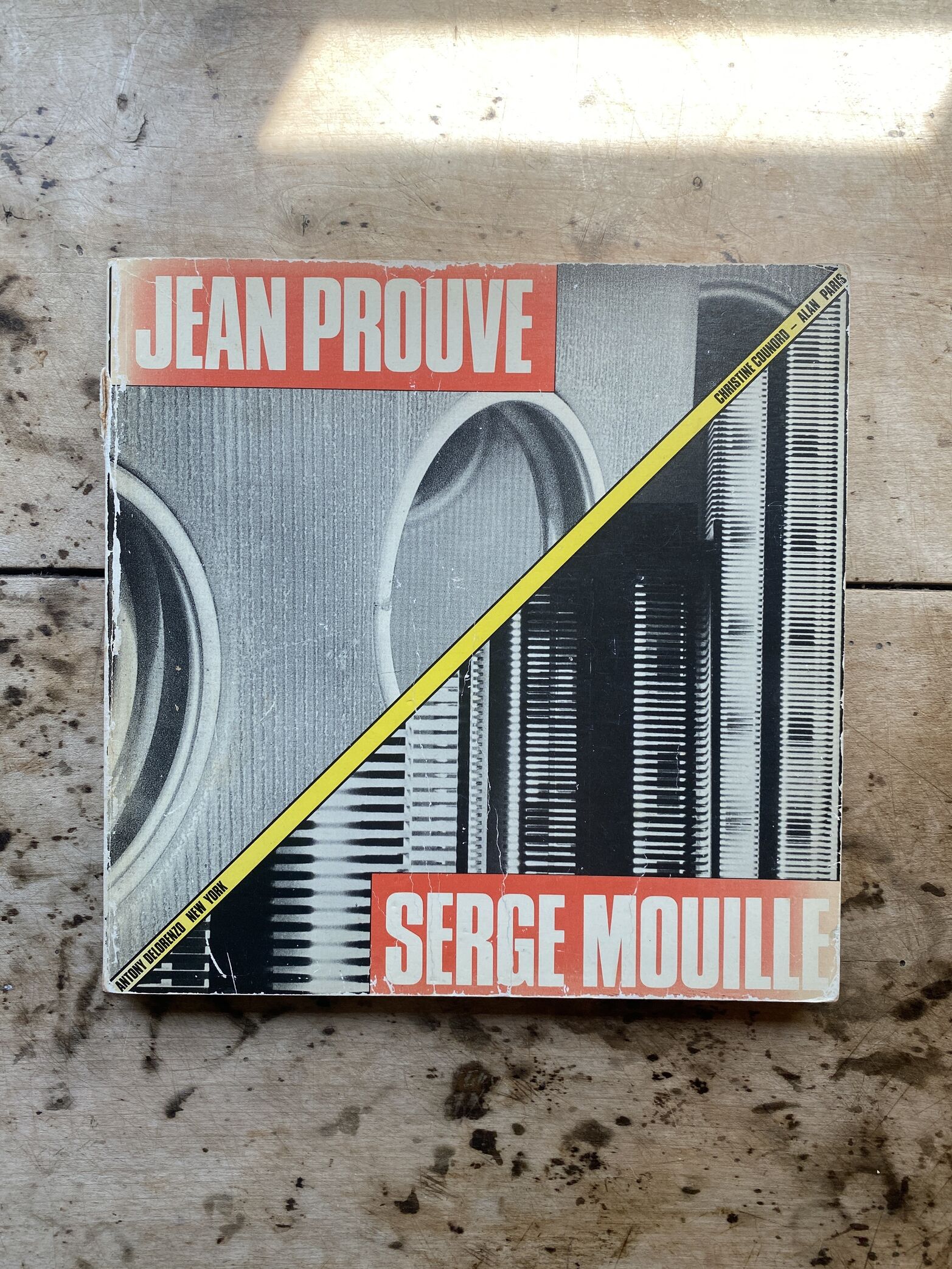
Jean Prouvé / Serge Mouille
by Jean Prouvé
$300

Charlotte Perriand Low Coffee Table
by Charlotte Perriand , Jean Prouvé

A Passion for Jean Prouvé: From Furniture to Architecture
by Jean Prouvé
$150