
This richly illustrated catalogue raisonné offers a definitive look at the furniture of Donald Judd, a central figure in American minimalism whose functional designs embody the same clarity and precision as his sculptural work. Originally published in conjunction with the 1993 exhibition at the Museum Boymans-van Beuningen in Rotterdam — later traveling to Villa Stuck in Munich—Furniture Retrospective documents the full range of Judd’s furniture practice with detailed production notes, photographs, and critical essays.
Featuring texts by Judd and Brigitte Huck, the book also offers rare insights into Judd’s living and working spaces in Switzerland, Marfa, and New York. Presented in English, Dutch, and German, this catalogue is an essential resource for collectors, designers, and anyone interested in the intersections of art, architecture, and function.
Image Gallery


Donald Judd
United States
Donald Judd’s practice was defined by a transition from painting to three-dimensional work, a shift articulated in his 1965 essay “Specific Objects.” Rejecting the traditional classifications of fine art, Donald Judd focused on the production of autonomous constructions that emphasized material, scale, and placement. His work utilized industrial materials—including aluminum, stainless steel, and Plexiglas—to create serial stacks and progressions fabricated to exact technical specifications.
By the 1970s, Judd extended these formal concerns to architecture and furniture, establishing a permanent base in Marfa, Texas. His furniture designs are characterized by straightforward joinery and precise proportions, often rendered in solid wood or metal. Rather than pursuing metaphorical or expressive ends, his output remains a rigorous investigation into the relationship between an object and its surrounding space. Judd’s work represents a fundamental redefinition of objecthood, rooted in the clarity of industrial fabrication and the literal presence of form.
More in Books
View All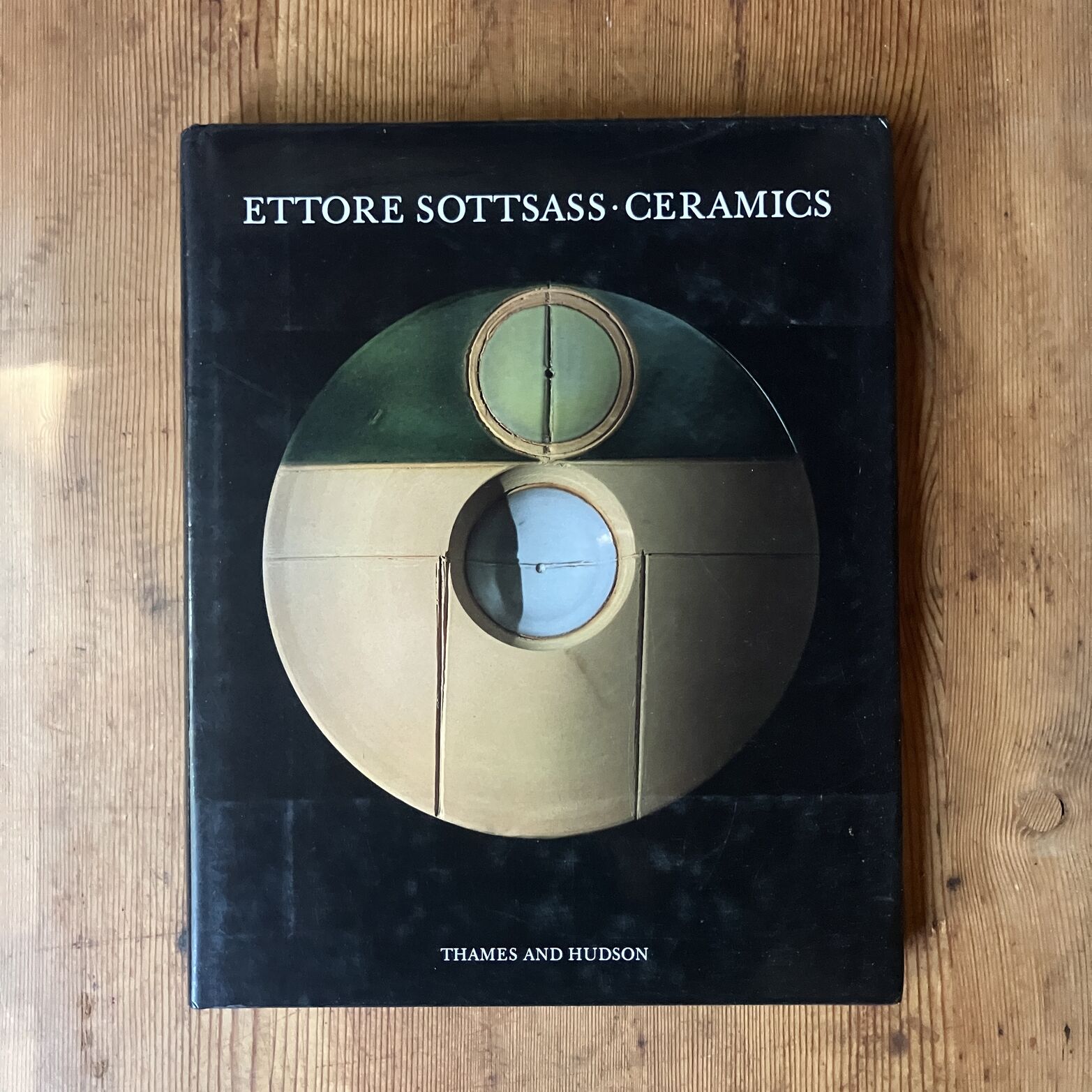
Ettore Sottsass Ceramics
$60
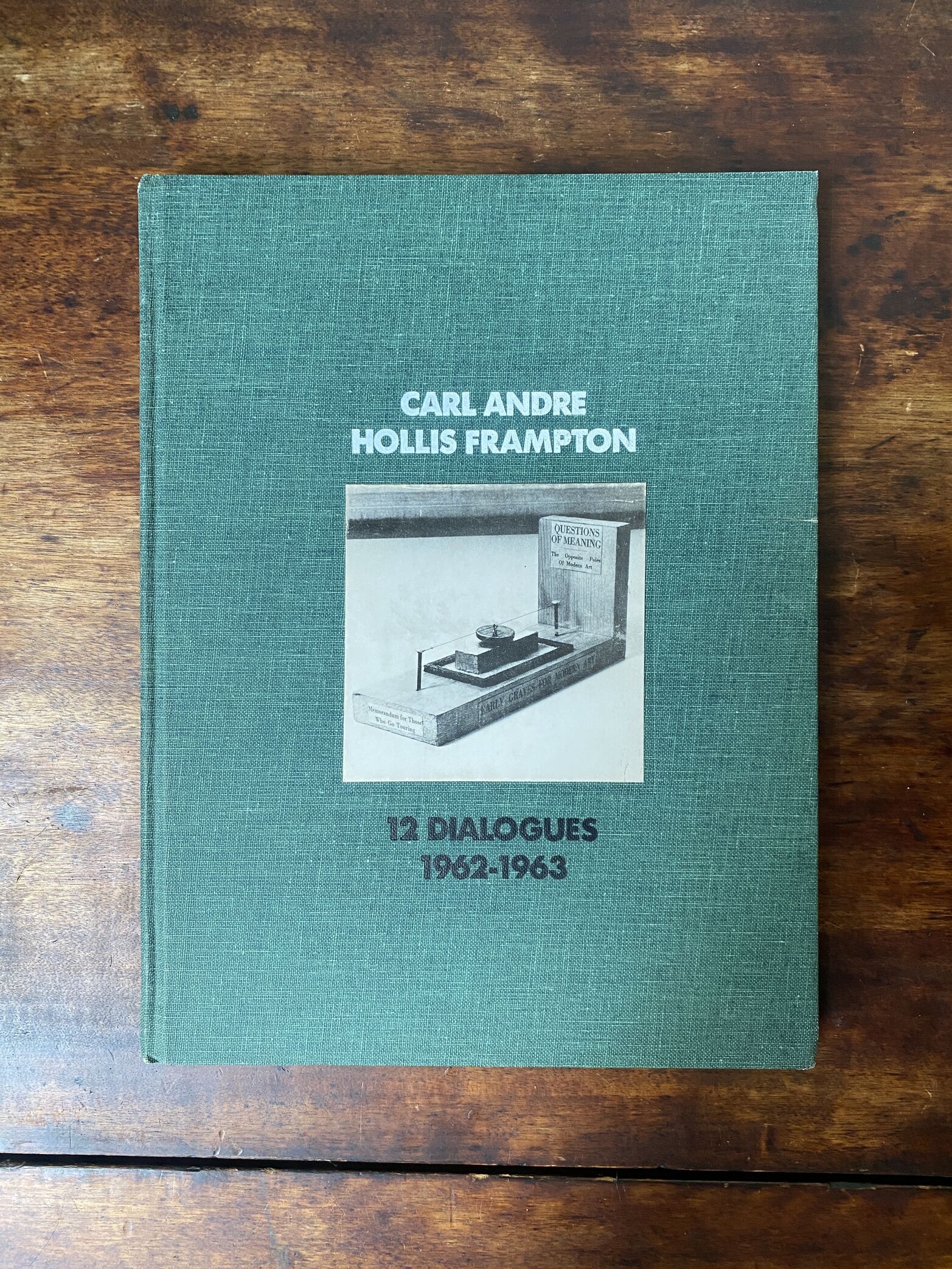
Carl Andre / Hollis Frampton – 12 Dialogues 1962 – 1963
$85

Alexandre Noll
$895
More in Donald Judd
View All
Donald Judd – Colorist
by Donald Judd
$50