
A Passion for Jean Prouvé documents the extensive collection of Laurence and Patrick Seguin, who have spent decades assembling a definitive archive of the designer’s output. The volume examines Prouvé’s career as a unified discipline, where the engineering of a chair carries the same structural weight as that of a prefabricated house.
The text surveys approximately forty primary works dating from the 1930s through the 1950s, including rare prototypes and the Aluminum Métropole House. Rather than treating furniture and architecture as disparate fields, the publication details a singular language of construction, focusing on Prouvé’s specific use of materials and the industrial logic that allowed his designs to be produced at scale.
Image Gallery


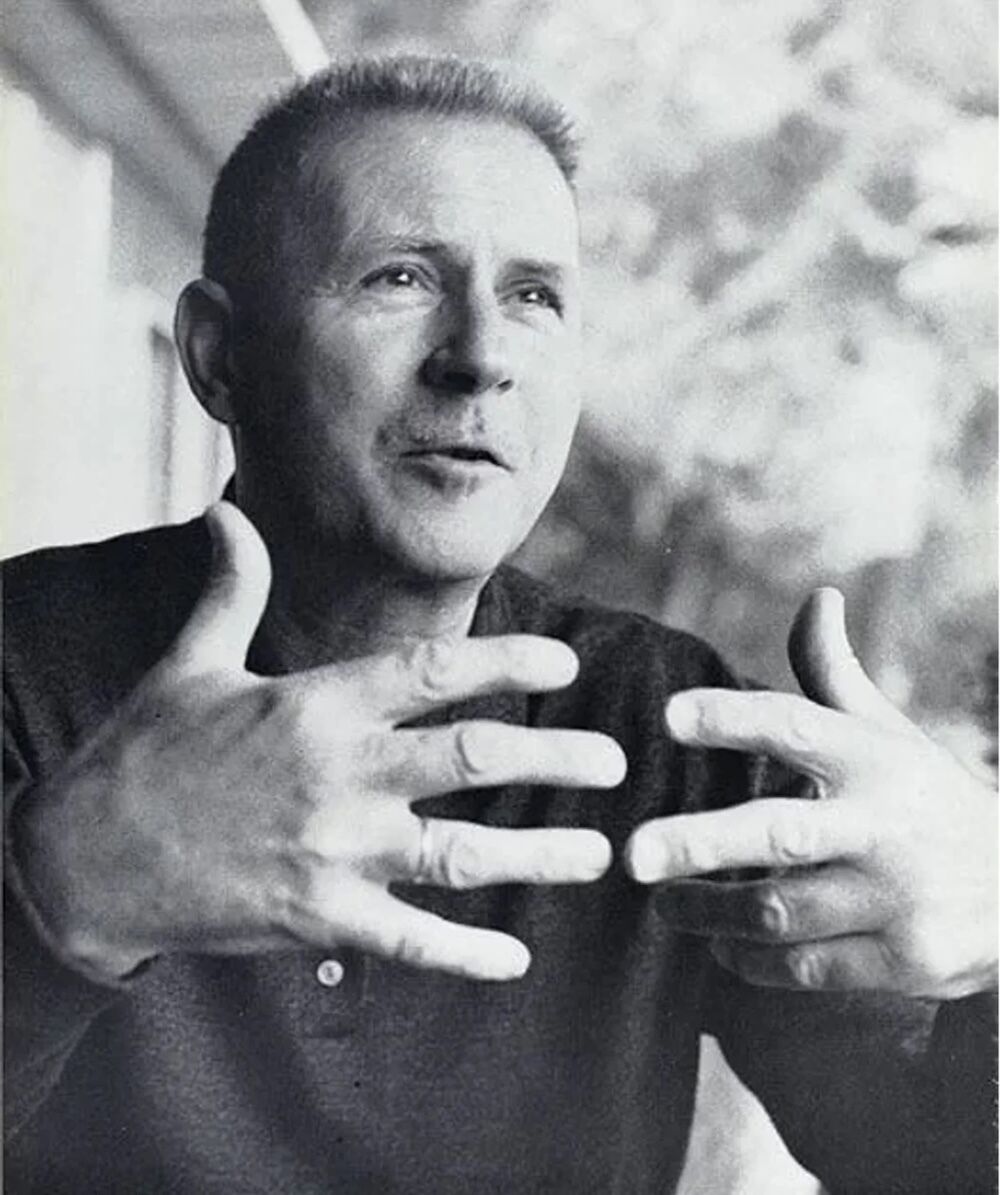
Jean Prouvé
France
Jean Prouvé built as if every object were a building, and every building an object. Born in Nancy in 1901 to an artist father and pianist mother, he trained first as a metalworker before turning his attention to architecture. That early discipline never left him. Whether designing a chair, a door, or an entire façade, Prouvé approached each as a problem of structure—how to make strength look light, how to let material speak for itself.
His Standard Chair of 1934 is perhaps the purest example: steel legs carrying the weight, wooden seat and back doing the rest. The logic is visible, almost pedagogical. The same thinking drove his prefabricated houses of the 1940s and ’50s—modular, portable, and decades ahead of their time.
For Prouvé, form was simply the consequence of engineering done right. His furniture and architecture still hold that tension between utility and grace: objects not designed to impress, but to endure. To handle one of his pieces is to feel both the weight of industry and the lightness of invention—modernism, not as theory, but as practice.
More in Books
View All
Gary Hume — Karneval/Carnival
$25

Sterling Ruby
$45

Jasper Morrison — A Book of Spoons
$250
More in Jean Prouvé
View All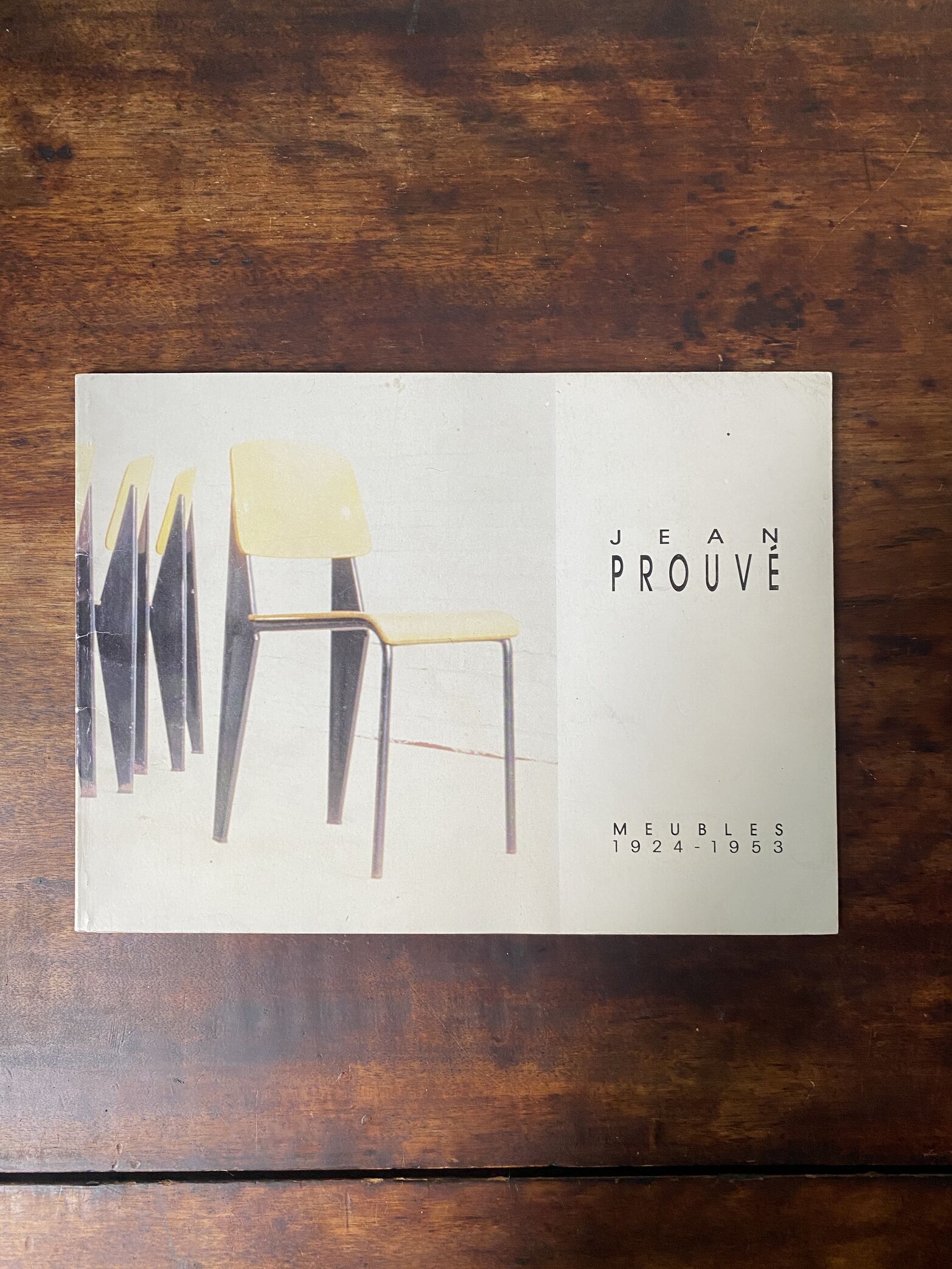
Jean Prouvé – Meubles 1924 – 1953
by Jean Prouvé
$275

Charlotte Perriand Low Coffee Table
by Charlotte Perriand , Jean Prouvé
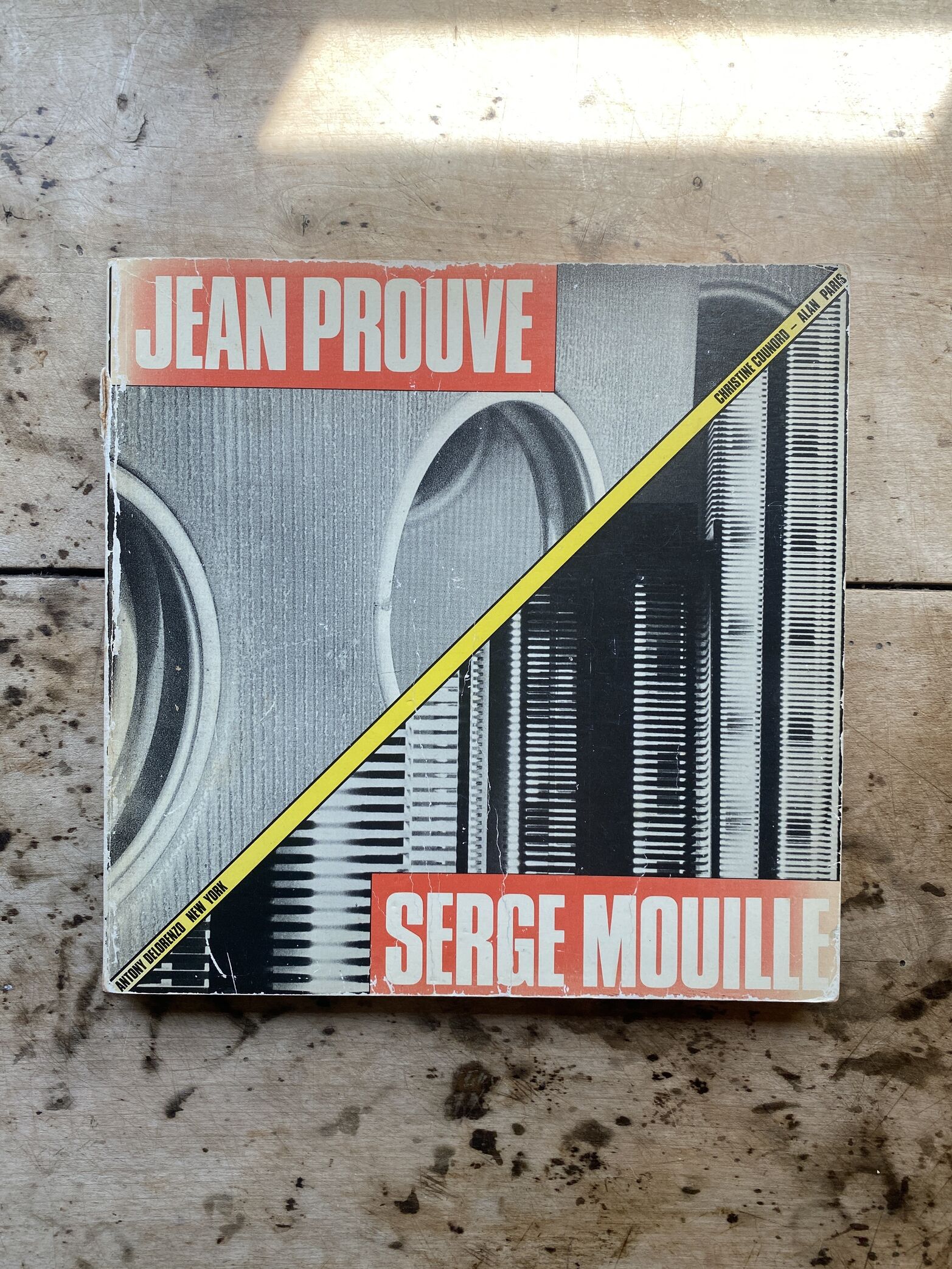
Jean Prouvé / Serge Mouille
by Jean Prouvé
$300